
Sonoma County · Marin
Buy & Sell FAQs
Answers about buying and selling here.
Buying, selling, country property, permits, disclosures, wildfire and insurance, taxes, contracts and market data. 132 questions, each answered directly, with the governing agency or record linked wherever one exists.
Results update as you type.
Browse
Pick a topic.
132 answers across 10 topics.
Selling a home in Sonoma County and Marin
Preparation, pricing, disclosure and timing, in the order sellers run into them.
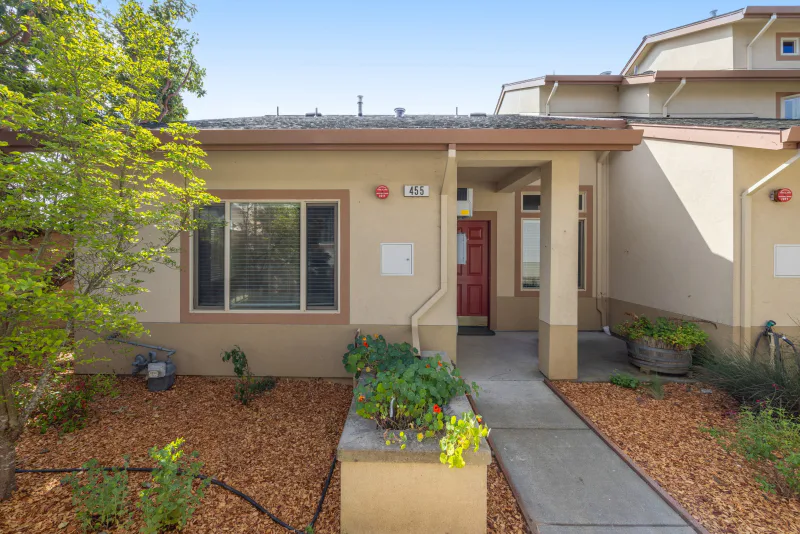 Selling · SelectedOpen 15 answers
Buying in Sonoma County and Marin
Offers, financing, contingencies and what to check before you commit.
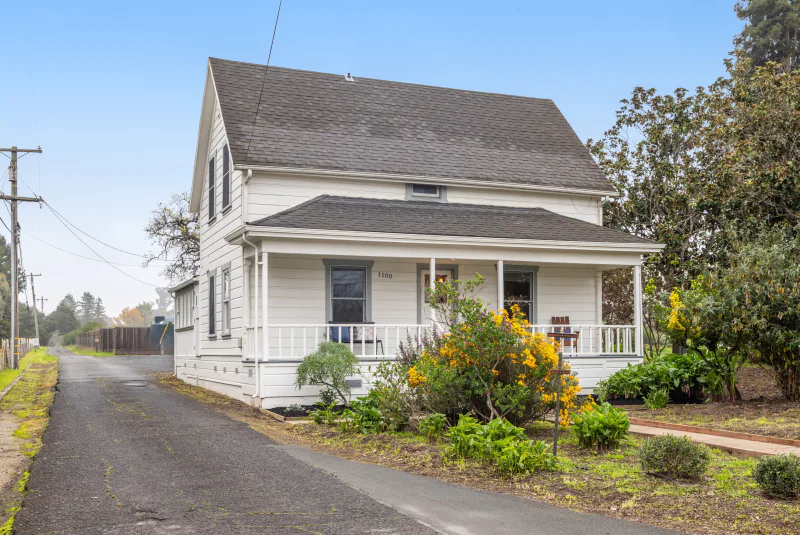 Buying · SelectedOpen 14 answers
Country property, wells, septic and acreage
Wells, septic, access, zoning and the systems a rural property depends on.
 Country property · SelectedOpen 14 answers
Permits, zoning and unpermitted work
How to check what is legal on a property, and what to do when something is not.
 Permits + zoning · SelectedOpen 14 answers
Disclosures, inspections and repairs
What has to be disclosed, what inspections find, and how repair negotiations go.
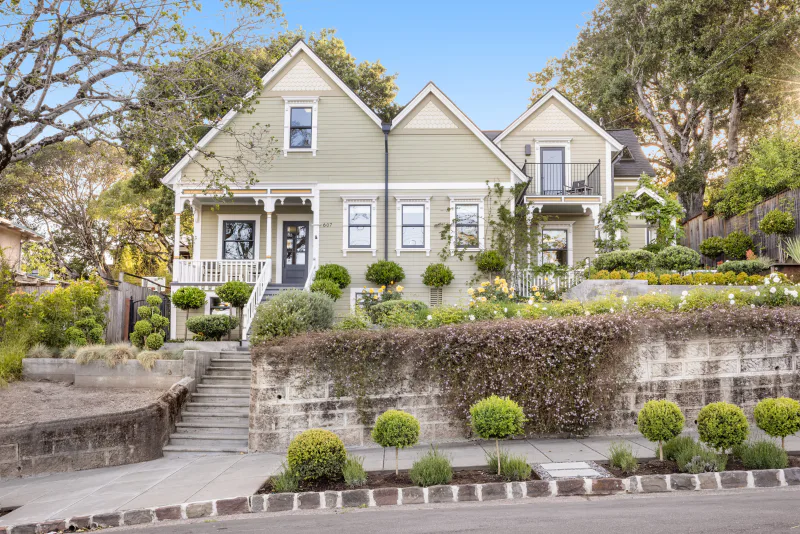 Disclosures · SelectedOpen 12 answers
Wildfire, hazard and insurance
Hazard zones, defensible space, the FAIR Plan and getting a property insured.
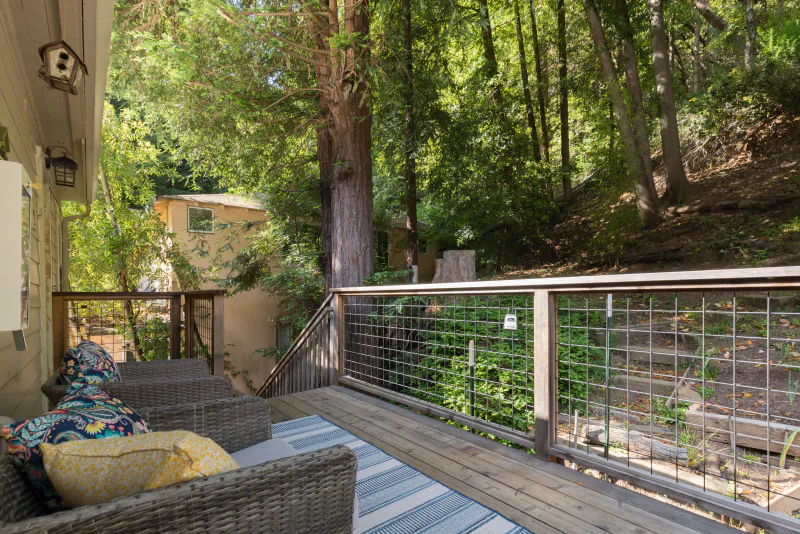 Fire + insurance · SelectedOpen 12 answers
Costs, property taxes and closing
Closing costs, property tax, Proposition 13 and 19, and what changes after you buy.
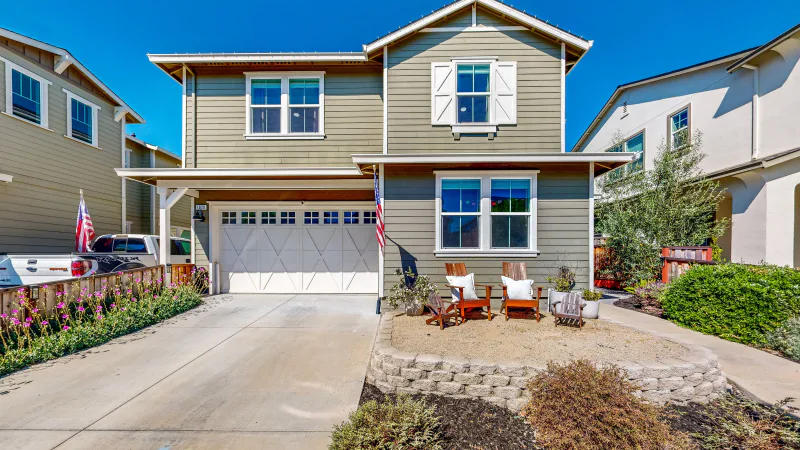 Costs + taxes · SelectedOpen 12 answers
Contracts, contingencies and negotiation
Contingencies, deposits, counteroffers and multiple-offer situations.
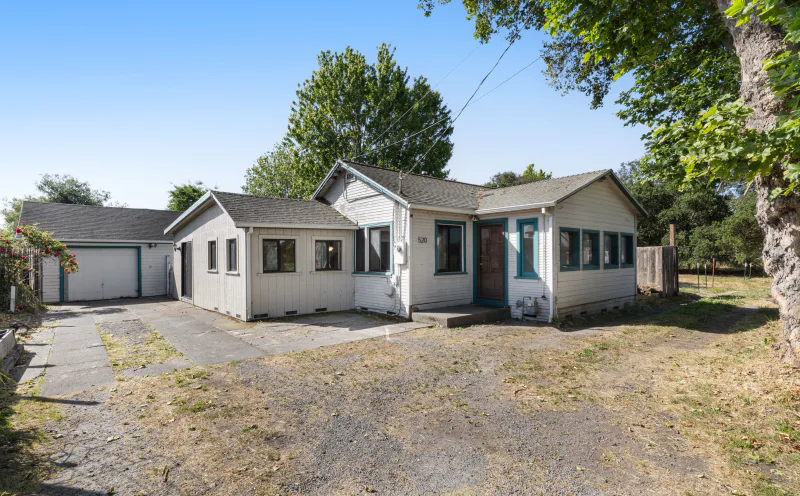 Contracts · SelectedOpen 12 answers
Market data and timing
What county figures do and do not tell you about a specific home.
 Market + timing · SelectedOpen 12 answers
Agents, representation and process
How representation works in California, and what a first conversation looks like.
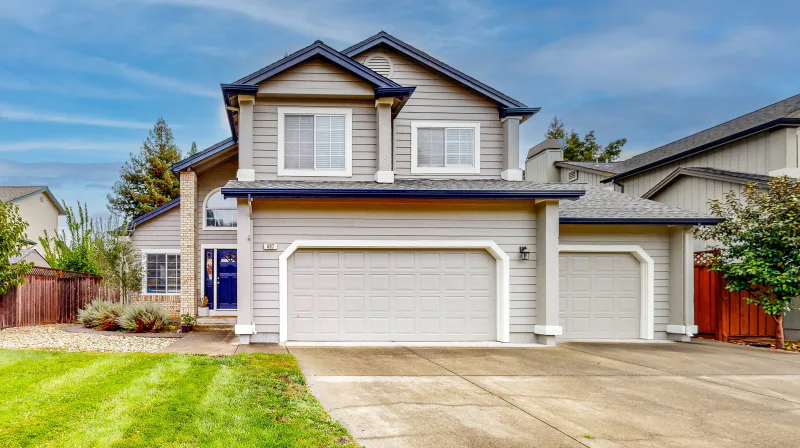 Process · SelectedOpen
Selling a home in Sonoma County and Marin
Preparation, pricing, disclosure and timing, in the order sellers run into them.
How long does it take to sell a house in Sonoma County?
Plan on two to four months from the decision to sell through closing. Preparation typically runs two to six weeks, the BAREIS July 2026 county snapshot showed a 37-day median for residential time on market, and escrow commonly runs 21 to 45 days depending on financing. Condition, price and property type move all three numbers.
A property needing repairs, permit resolution or estate clearance can add months before it ever reaches the market, which is why the preparation conversation should happen early.
SourceBAREIS MLS · Sonoma County residential summary, July 2026 (opens in a new tab)
What should I fix before selling, and what should I leave alone?
Fix what a buyer or an appraiser will treat as a defect or a risk: active leaks, failed systems, safety hazards, deferred exterior maintenance and anything that will show up in an inspection report. Leave discretionary remodels alone. Kitchens and bathrooms rarely return their full cost in a resale, and an unfinished upgrade reads worse than an honest original.
The useful test is whether the work removes a buyer objection or a lender condition. Work that only changes taste tends to spend money rather than protect value.
General informationNo single public source governs this. It depends on the property and the contract, and this page is general information, not advice for your situation. Confirm specifics with the appropriate professional.
Should I get a pre-listing inspection?
Often yes, particularly for older homes, country property and anything with unpermitted or unusual work. A pre-listing inspection converts surprises into known facts you can price, repair or disclose on your own schedule instead of renegotiating under time pressure after an offer.
Material conditions you learn about have to be disclosed, which is the point: known and disclosed conditions are far less damaging to a transaction than conditions discovered by the buyer's inspector.
SourceCalifornia Civil Code 1102.6 · Transfer Disclosure Statement (opens in a new tab)
How is the asking price actually set?
By reconciling recent comparable sales against the specific property: condition, site, size, permitted square footage, systems, location within the submarket and current competing inventory. County medians describe the market, not your house. A defensible price is one you can support line by line to a buyer, an appraiser and a lender.
Countywide medians can move in the opposite direction from a specific city, price band or property type in the same month, so the submarket comparison matters more than the headline figure.
SourceBAREIS MLS (multiple listing service) (opens in a new tab)
What is a seller legally required to disclose in California?
For most sales of one to four residential units the package starts with the Transfer Disclosure Statement covering known material facts about the property's condition, a Natural Hazard Disclosure for flood, fire and seismic zones, and the agency disclosure. Depending on the property and the contract it also includes lead-based paint for pre-1978 homes, smoke and carbon monoxide alarm and water heater bracing statements, defensible-space and home-hardening disclosures in fire hazard zones, HOA documents, the Megan's Law notice and, from 2026, any known smoking or vaping residue. Beyond the forms, California requires disclosure of known material facts that affect value or desirability.
The safe standard is simple: if you know it and a reasonable buyer would want to know it, disclose it. Non-disclosure is one of the most common sources of post-closing claims.
SourceCalifornia Civil Code 1102.6 · Transfer Disclosure Statement (opens in a new tab)
Do I have to disclose a death on the property?
California generally treats a death on the property within the past three years as a material fact to disclose. A death more than three years before the buyer's offer is not a material fact requiring disclosure, and the statute protects a prior occupant's HIV status or AIDS-related death from disclosure.
The statute does not protect an owner or agent who intentionally misrepresents a death in response to a buyer's direct inquiry. Ask a real estate attorney about anything unusual.
SourceCalifornia Civil Code 1710.2 · Death and direct-inquiry disclosures (opens in a new tab)
What does it cost to sell a house in California?
Typical seller costs include brokerage compensation, county documentary transfer tax and any city transfer tax, escrow and title fees, county and district transfer or recording charges, natural hazard report fees, any negotiated repairs or credits, and prorated property tax. Percentages vary by jurisdiction and negotiation, so ask for a written net sheet before you list.
Transfer tax rates differ between unincorporated county and individual cities, so confirm the rate for the specific address rather than assuming a countywide figure.
SourceSonoma County Clerk-Recorder · documentary transfer tax (opens in a new tab)
Do I pay capital gains tax when I sell my home?
Possibly not. Federal law lets many sellers exclude up to $250,000 of gain, or $500,000 for a married couple filing jointly, if they owned and lived in the home as a principal residence for at least two of the previous five years. Gain above the exclusion may be taxable, and a sale that does not meet the full test may still qualify for a partial exclusion.
Basis, improvements, prior depreciation, partial-use periods and California treatment all affect the result. This is a question for your CPA or tax attorney, not your agent.
SourceIRS Publication 523 · Selling Your Home (opens in a new tab)
Is it better to sell before buying, or buy before selling?
It depends on your equity, your financing and your tolerance for risk. Selling first gives you certainty about proceeds and a stronger buying position, but may require interim housing. Buying first avoids moving twice but usually requires bridge financing, a contingent offer or the ability to carry both properties.
The decision is financial before it is emotional. Model both paths with real numbers, including the cost of a rent-back or a short-term rental, before committing.
General informationNo single public source governs this. It depends on the property and the contract, and this page is general information, not advice for your situation. Confirm specifics with the appropriate professional.
What is a rent-back and when does it help?
A rent-back is an agreement letting the seller stay in the property for a defined period after closing, usually paid for by a daily rate or a credit. It helps sellers who need sale proceeds to close on their next home and cannot align both dates.
Rent-backs carry insurance, liability and possession considerations, and long occupancy periods can trigger tenancy issues, so the term and the paperwork matter.
SourceCalifornia Association of REALTORS (opens in a new tab)
Should I sell an inherited property as-is?
Frequently yes, but only after you understand what as-is costs you. Estate properties often carry deferred maintenance, dated systems, unpermitted work and personal-property clearance. Selling as-is is legitimate and common, and it does not reduce your disclosure obligations at all.
Estate sales also involve probate authority, multiple decision-makers and tax basis questions. Confirm who has authority to sign before you spend money on preparation.
General informationNo single public source governs this. It depends on the property and the contract, and this page is general information, not advice for your situation. Confirm specifics with the appropriate professional.
When is the best time of year to list in Sonoma County?
Spring through early summer usually brings the most buyer activity, but the best time is the one where your property is genuinely ready and your competition is thin. A prepared home listed in a quieter month often outperforms an unprepared home listed in the busiest week of the year.
Property type changes the answer. Country property, land and specialty homes attract a smaller, less seasonal buyer pool where readiness matters far more than the calendar.
SourceBAREIS MLS (multiple listing service) (opens in a new tab)
What happens if the appraisal comes in low?
The lender bases the loan on the lower of the price and the appraised value, so the gap has to be closed by the buyer bringing additional cash, by a price reduction, by a negotiated split, or by a dispute of the appraisal with additional comparable data. Whether the buyer can walk depends on the appraisal contingency in the contract.
Well-documented comparable sales, permitted square footage and a clear record of improvements are the practical defense against a low appraisal.
General informationNo single public source governs this. It depends on the property and the contract, and this page is general information, not advice for your situation. Confirm specifics with the appropriate professional.
Can I sell a property with unpermitted work?
Yes. Unpermitted work does not prevent a sale, but known unpermitted work must be disclosed, and it affects lending, insurance, appraised square footage and buyer confidence. The usual options are to disclose and sell as-is, to legalize the work through the local building department, or to remove it.
Which option is right depends on the scope, the current code requirements and the cost to permit, which is precisely the analysis worth doing before listing rather than during escrow.
SourcePermit Sonoma · permit record search (opens in a new tab)
What is the difference between pending, contingent and active under contract?
Active means the property is available. Contingent or active under contract means an offer is accepted but buyer contingencies such as inspection, appraisal or loan approval are still in place. Pending generally means contingencies are removed and the transaction is heading to closing.
Status conventions differ between MLS systems and agents, so treat the label as a signal to ask rather than a guarantee of where a deal actually stands.
SourceBAREIS MLS (multiple listing service) (opens in a new tab)
Matching questions
Area guides
Petaluma, West Petaluma and country, Sonoma County and Marin, each with market, neighborhoods, schools, property research and daily life.
Open Ask directlyAsk about a specific property
Anything that turns on an address, a contract or a deadline is a conversation, not a library entry.
Contact SteveGeneral answers about California and North Bay practice. Not legal, tax or insurance advice, and none of it describes a specific property. Rules change, so check anything that matters with the agency or professional named.
Most asked
Commonly asked.
How long does it take to sell a house in Sonoma County?
Answered in full on the Selling a home in Sonoma County and Marin page. Open the answer
How much do I need for a down payment in Sonoma County?
Answered in full on the Buying in Sonoma County and Marin page. Open the answer
How do I know if a well produces enough water?
Answered in full on the Country property, wells, septic and acreage page. Open the answer
How do I look up the permit history for a property?
Answered in full on the Permits, zoning and unpermitted work page. Open the answer
What is a Transfer Disclosure Statement?
Answered in full on the Disclosures, inspections and repairs page. Open the answer
How do I find out if a property is in a fire hazard zone?
Answered in full on the Wildfire, hazard and insurance page. Open the answer
How is property tax calculated in California?
Answered in full on the Costs, property taxes and closing page. Open the answer
What makes an offer strong besides price?
Answered in full on the Contracts, contingencies and negotiation page. Open the answer
What is the median home price in Sonoma County?
Answered in full on the Market data and timing page. Open the answer
What is the difference between an agent and a broker?
Answered in full on the Agents, representation and process page. Open the answer
Related library
Put the answers on the map.
Get in touch
The useful version starts with an address.
Bring the property, the timing and the question that is actually blocking you.